Highland Cow Cowboy Hat Style: A Designer’s Review
When I sit down to evaluate a new digital asset for my embroidery studio, I am rarely looking for just "cute." As someone who has stitched thousands of designs for clients ranging from local boutiques to large-scale promotional campaigns, I look for versatility, stitch clarity, and marketability. Today, I am putting Highland Cow Cowboy Hat Style under the microscope. This isn't just about whether it looks good on a screen; it is about how it translates into thread, fabric, and ultimately, a finished product that customers will want to buy or wear.
The concept itself—a Highland cow donning a cowboy hat—is a playful intersection of two distinct aesthetic worlds. It suggests rugged charm meets soft whimsy. For an Illustrations category entry, this design stands out because it carries immediate visual personality. But does it hold up when the needle starts moving? Let’s break down the practical implications of using this embroidery project in real-world scenarios.
First Impressions and Visual Personality
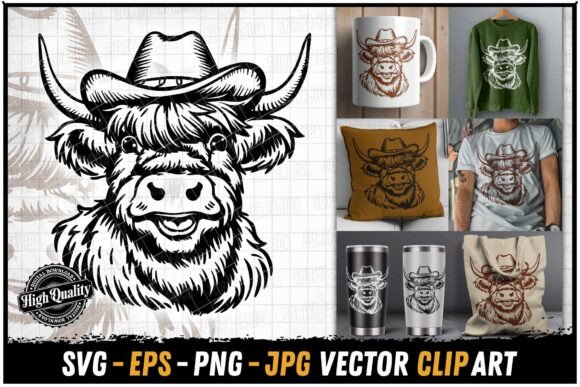
The first thing that strikes me about Highland Cow Cowboy Hat Style is its strong silhouette. In embroidery, shape is everything. If the outline is muddy or lacks definition, the design fails before it even begins. From what I can assess in the preview files, the composition relies on bold lines that lend themselves well to digitization. The juxtaposition of the cow’s shaggy texture with the structured brim of the cowboy hat creates a natural contrast that is visually engaging.
This mood is perfect for the current market trend toward "cottagecore" mixed with rustic Americana. It feels approachable, slightly humorous, and undeniably cozy. For a Graphics asset intended for commercial use, this kind of character-driven imagery performs exceptionally well. It tells a story instantly. Whether you are designing for a farm-to-table brand, a quirky gift shop, or a personalized baby item, the subject matter resonates across demographics. It is not niche; it is broadly appealing without being generic.
Real-World Application: Where Does It Shine?
I have spent years testing designs on various substrates, and I can confidently say that Highland Cow Cowboy Hat Style has multiple high-value applications. Let’s look at a few specific scenarios where this design would truly add value to a small business or a handmade collection.
- Custom Apparel and Sweatshirts: This design is ideal for chest-level placement on crewneck sweatshirts or heavyweight t-shirts. The theme fits perfectly with autumn and winter collections. Imagine a cream-colored organic cotton tee with this embroidered centrally. It screams comfort and style. For sweatshirt embroidery, the bold nature of the design ensures it doesn’t get lost in the fabric pile.
- Tote Bag Design: Canvas totes are a staple for Etsy sellers and craft fair vendors. Placing Highland Cow Cowboy Hat Style on a sturdy canvas tote adds a touch of humor to everyday errands. It works as a standalone graphic or paired with simple text like "Farm Fresh" or "Cowgirl Up."
- Baby Embroidery and Nursery Decor: There is a surprising demand for animal-themed nursery items. This design is gentle enough for a onesie or a muslin blanket but distinctive enough to stand out. Parents love unique, non-cliché animal motifs. Using this for a personalized gift for a baby shower could be a strong seller.
- Embroidered Patch and Accessories: The compact nature of many cow illustrations makes them excellent candidates for patches. You could create iron-on patches for denim jackets or backpacks. Additionally, this works beautifully on aprons for kitchen use or as decorative accents on pillow covers for living room decor.
In each of these cases, the design elevates the perceived value of the handmade product. It transforms a plain commodity into a branded item with character. When customers see a finished piece with clear, intentional stitching, their trust in the quality of your work increases immediately.
Technical Considerations and Stitch Clarity
As a designer, I must address the technical execution. Not all digital embroidery file types translate equally well to the hoop. Since this is categorized as Illustrations and Graphics, we need to consider how the vector lines convert to stitches.
If this design utilizes a mix of satin stitch for outlines and fill stitch for the body, the result should be clean and professional. However, the shaggy hair of the Highland cow requires careful handling. If the digitizer uses too much density, the fabric may pucker. If they use too little, the texture may look flat. Ideally, a combination of running stitch for fine details and textured fill patterns would mimic the fur effectively.
Thread color selection is critical here. The contrast between the cow’s hide and the cowboy hat needs to pop. On dark fabrics, light thread colors will ensure the design remains legible. Conversely, on light backgrounds, darker threads provide necessary definition. I always advise testing your thread colors against your chosen fabric texture before committing to a full production run.
Where to Use Caution
No design is universal, and Highland Cow Cowboy Hat Style has limitations that every embroiderer should respect. Here is where you might encounter challenges:
- Small Hoop Sizes: If you attempt to stitch this in a very small hoop (under 4x4 inches), fine details may become indistinguishable. Tiny elements like eye highlights or hat band details can merge together, resulting in a muddy appearance.
- Textured or Stretchy Fabrics: While this design looks robust, delicate knits or highly textured weaves can distort the stitch path. Always use a proper stabilizer to support the fabric, especially if you are working with stretchy materials like jersey or thin fleece.
- Curved Surfaces: Attempting to stitch this directly onto a curved surface like a baseball cap requires advanced technique. The flat nature of most vector-based design assets may not accommodate the curvature of a hat crown without significant distortion. It is better suited for flat panels or detachable patches.
- Dense Stitch Areas: If the design includes heavy fill areas, ensure your machine and stabilizer setup can handle the tension. Over-stitching can lead to thread breaks or fabric damage.
Practical Designer Notes for Implementation
Before you upload this to your online store or start producing for clients, follow these steps to ensure success:
- Test on Scrap Fabric: Never go straight to the final product. Stitch the design on a scrap piece of the same fabric type to check for puckering, thread tension, and color accuracy.
- Review Stitch Density: Zoom in on the digital file. Are there any overly dense areas that might cause needle deflection? Adjusting the density in your software can save hours of troubleshooting.
- Check Black and White Mockups: Convert the design to grayscale. This helps you evaluate the contrast and balance of the shapes without the distraction of color. If it reads clearly in black and white, it will likely read well in color.
- Confirm Licensing: As mentioned in the product description, verify that your software supports the included formats (SVG, PNG, JPG, EPS). More importantly, confirm the licensing terms. Ensure you have the right to sell finished physical items created with this design, especially if you are operating a craft business.
- Create Printable Mockups: Before listing the product, generate high-quality mockups. Show the design on a sweatshirt, a tote, and a patch. This helps potential buyers visualize the finished product and increases conversion rates.
Final Verdict
Highland Cow Cowboy Hat Style is a charming, versatile addition to any designer’s library. It bridges the gap between rustic charm and modern whimsy, making it suitable for a wide range of commercial embroidery projects. From custom apparel to holiday gifts, this design has the potential to drive engagement and sales for small shop products.
Its strength lies in its clear visual identity and broad appeal. However, success depends on proper digitization, appropriate fabric choices, and realistic expectations regarding size and detail. By treating it as a dynamic tool rather than a static image, you can unlock its full potential. Whether you are an Etsy seller looking to refresh your inventory or a hobbyist wanting to create a unique personalized gift, this design offers a solid foundation for creative expression. Just remember to test thoroughly, stabilize properly, and let the design’s personality shine through in every stitch.