Howdy America Patriotic SVG, 4th of July
When I evaluate a new digital asset for my embroidery studio, I am rarely looking at just the image itself. I am looking at how it translates from a screen into thread, how it sits on fabric under tension, and whether it will hold up to the wear and tear of a customer’s daily life. As an experienced designer who has stitched thousands of designs, I approach every new file with a mix of optimism and skepticism. This is exactly how I approached the Howdy America Patriotic SVG, 4th of July design. It promises a specific aesthetic—fun, festive, and distinctly American—and my job is to determine if that promise holds true when the needle starts moving.
The First Impression: Mood and Visual Personality
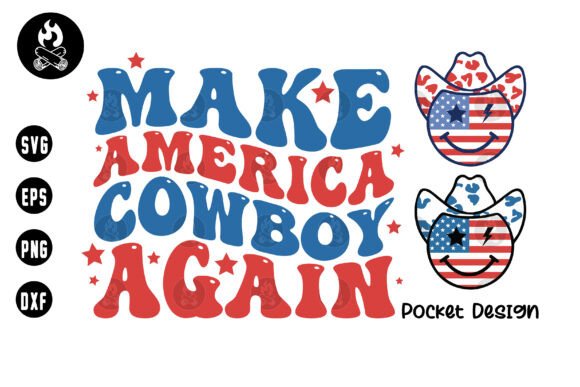
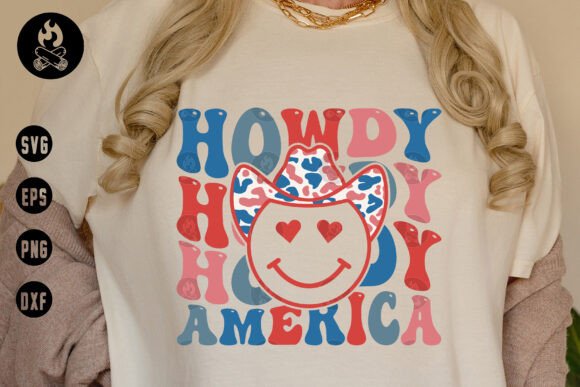
The immediate draw of this design is its personality. It isn’t trying to be solemn or overly formal. Instead, it leans heavily into a cheerful, country-style vibe that feels accessible and warm. The core visual element—a smiley face with heart eyes topped by a cowboy hat—creates an instant emotional connection. For a small business owner or Etsy seller, this is crucial. You want a product that makes a buyer smile before they even read the description. The use of red, white, and blue in a camo pattern adds texture and depth without relying on complex gradients that often fail in machine embroidery. It feels grounded, rugged yet cute, which is a difficult balance to strike. It suggests a handmade product that is ready for a summer festival, a backyard barbecue, or a casual weekend outing.
Real-World Application: From Screen to Stitch
To truly understand the value of this machine embroidery design, we have to look at where it fits best in a commercial or personal workflow. My first scenario involves preparing custom apparel for a local craft fair. Imagine a soft, heather-gray sweatshirt. Placing the Howdy America Patriotic SVG, 4th of July design on the chest creates a perfect focal point. The contrast between the neutral fabric and the vibrant patriotic colors allows the design to pop. However, I would avoid placing it on black fabric unless the thread colors are specifically chosen to ensure the white elements remain visible. On a light-colored tee, the design sings. On a dark tee, it might get lost if the stitch density isn't high enough.
Another strong use case is personalized gifts. This design works exceptionally well for baby items. A onesie embroidered with this motif is adorable and marketable for parents looking for unique Fourth of July outfits. The heart eyes soften the patriotic theme, making it suitable for infants and young children. Similarly, for a boutique selling home goods, this design could be adapted for kitchen towels or pillow covers. The rectangular nature of many SVGs allows for easy placement on these wider surfaces. When designing for holiday embroidery, versatility is key, and this file offers that flexibility across multiple product categories.
Technical Performance and Stitch Clarity
From a technical standpoint, the success of any embroidery project relies on stitch density and detail resolution. The camo pattern in this design is likely composed of fill stitches, while the facial features and hat brim may utilize satin or running stitches. If the fill areas are too dense, the fabric will pucker, especially on thin materials like jersey knits used for t-shirts. Conversely, if the fills are too sparse, the fabric backing might show through, ruining the clean look of the finished product. Before committing to a full production run, I always test the design on scrap fabric first. This allows me to adjust the thread tension and check for any potential issues with the stitch density.
The details in the cowboy hat and the heart eyes are critical. Small details can sometimes become muddy if the hoop size is too large relative to the design, causing the fabric to shift slightly during stitching. I recommend reviewing the hoop size requirements carefully. If the design includes tiny lettering or very fine lines within the camo pattern, those areas require a high-quality stabilizer to prevent distortion. Using the wrong stabilizer can lead to puckering or misalignment, which immediately lowers the perceived value of the item. For a professional finish, a cut-away stabilizer is often best for stretchy fabrics, while a tear-away might suffice for stable wovens like cotton tote bags.
Where to Exercise Caution
While this design is versatile, there are specific situations where it requires careful handling. Avoid using this design on highly textured fabrics such as heavy chenille or thick fleece unless you are using a specialized hooping technique. The texture can interfere with the needle penetration, leading to skipped stitches. Additionally, be cautious with small hoop sizes. If you attempt to digitize or stitch this design in a very small area, the camo pattern may lose its definition, turning into a blurry blob rather than a distinct pattern. Curved surfaces, such as baseball caps, also present challenges. While the design might look great flat, the curvature of a cap can distort the circular smiley face, making it look oval or stretched. In these cases, proper prepping and potentially adjusting the design angle can help, but it requires skill.
Impact on Brand and Customer Trust
For Etsy sellers and craft business owners, the quality of your embroidery directly impacts customer trust. A sloppy stitch job can lead to negative reviews, regardless of how beautiful the original graphic was. The Howdy America Patriotic SVG, 4th of July design, when executed correctly, enhances brand consistency. It signals that you pay attention to detail and offer products that are both fun and well-made. Customers are willing to pay a premium for custom apparel that looks professional. They can tell the difference between a rushed job and one where the designer took the time to select the right threads and stabilizers. The festive nature of the design also boosts giftability, making it a popular choice for customers looking for last-minute holiday presents.
Practical Designer Notes for Success
To ensure your final output matches the potential of this design, follow these practical steps:
- Test on Scrap Fabric: Always run a test stitch on the same type of fabric you plan to use. This helps you gauge thread consumption and fabric behavior.
- Check Thread Contrast: Ensure your chosen thread colors provide enough contrast against the fabric. Light threads on light fabric can disappear, while dark threads on dark fabric can look harsh.
- Review Stitch Density: Look at the design in your software to identify dense areas. You may need to add trim stitches or adjust underlay to keep the fabric smooth.
- Confirm Hoop Size: Make sure your embroidery machine’s hoop is large enough to accommodate the design without cutting off edges.
- Inspect Small Details: Zoom in on the digital file to ensure that tiny details like the heart eyes are clear and won’t get lost in the stitching process.
- Use Proper Stabilizer: Match your stabilizer to your fabric weight. Heavy fabrics need heavy stabilizers; light fabrics need lightweight options.
- Verify Licensing: Before selling finished items, confirm the licensing terms of the digital embroidery file. Some licenses allow commercial use, while others are restricted to personal projects only.
Final Thoughts on Value and Versatility
In the crowded market of design assets, standing out requires more than just a pretty picture. It requires a design that is technically sound and emotionally resonant. The Howdy America Patriotic SVG, 4th of July design succeeds on both fronts. It captures the spirit of the holiday with a playful twist that appeals to a wide audience. Whether you are creating a single personalized gift for a friend or mass-producing sweatshirt embroidery for your online shop, this design offers a solid foundation. Its strength lies in its simplicity and charm, allowing it to shine on everything from tote bag design projects to aprons and kitchen towels. By paying attention to the technical details discussed above, you can transform this simple SVG into a high-value, professional finished product that customers will love. Remember, the magic happens not just in the design file, but in the execution. Treat every stitch with care, and your customers will notice.