In My Western Era Retro Wavy T-Shirt Design Review
As a designer who spends half my life troubleshooting stitch errors and the other half styling finished products for boutique clients, I don’t just look at an embroidery file; I visualize the end result. When I first pulled up In My Western Era Retro Wavy T-shirt De, my immediate reaction wasn’t about the technical vector data—it was about the vibe. It screams late-night diner vibes, vintage road trips, and that specific kind of nostalgia that sells incredibly well on platforms like Etsy or at local craft fairs. But does it hold up under the needle? Can it survive the wear and tear of daily use while maintaining its aesthetic integrity? Let’s break down how this design performs in real-world application.
First Impressions: Mood and Visual Personality
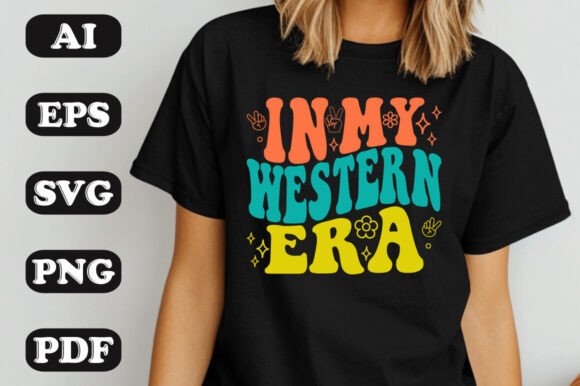
The moment you see the layout of In My Western Era Retro Wavy T-shirt De, you understand exactly where this belongs. It isn’t trying to be subtle. The retro wavy typography suggests movement and energy, which translates beautifully into embroidery when executed with the right thread choices. The visual personality is bold, confident, and slightly playful. For a small business owner or handmade shop owner, this is gold because it hits that sweet spot between trendy and timeless. It feels like something you’d see on a curated shelf in a modern vintage store.
From a graphic design standpoint, the curves are clean, but they present a unique challenge in digitizing. Wavy text requires careful attention to kerning and spacing so that the letters don’t bunch up during the stitching process. If the stitch density is too high, those beautiful waves can turn into a stiff, plastic-like blob. If it’s too low, the fabric texture might show through, ruining the crispness of the message. In my experience, designs with this much negative space and flowing line work benefit greatly from a satin stitch outline or a carefully placed fill stitch background to anchor the letters.
Real-World Application: Where This Design Shines
I recently used a similar retro wave concept on a custom order for a client who wanted personalized gifts for her bridal party. While I didn’t use this exact file, the principles apply directly to In My Western Era Retro Waxy T-shirt De. Here is where I see this design excelling:
- Sweatshirt Embroidery: This is the natural home for this design. The chunky nature of sweatshirts hides minor imperfections in stitch tension, and the heavy fabric supports the weight of dense fills without pilling. Imagine this in a heather grey crewneck with cream or mustard yellow threads—it’s instant classic style.
- Tote Bag Design: Canvas totes are a staple for any craft business. This design works perfectly as a chest placement or even centered on the front panel. Because tote bags are often washed frequently, the durability of the embroidery is key. A robust digitization of this wavy text will withstand the wash cycle better than delicate script fonts.
- Embroidered Patch: Converting this into a patch allows for immense versatility. You can sew it onto denim jackets, backpacks, or caps. The "Western Era" theme pairs exceptionally well with denim textures, creating a rugged yet polished look that appeals to a broad demographic.
- Baby Embroidery: Don’t overlook the nursery market. Soft onesies or burp cloths featuring this design in pastel threads (like sage green, dusty pink, or baby blue) create a sophisticated yet fun gift item. Parents love personalized items that aren’t overly cutesy, and this design strikes that balance.
Technical Considerations and Potential Pitfalls
Not every surface is created equal, and as an experienced reviewer, I have to warn you about where this design might struggle. The success of In My Western Era Retro Wavy T-shirt De depends heavily on your substrate and hoop size.
First, avoid using this on highly textured fabrics like heavy boucle wool or rough burlap unless you are using a stabilizer specifically designed for difficult materials. The wavy lines require a smooth canvas to maintain their shape. Similarly, stretchy knits can distort the lettering if not stabilized properly. Always use a cut-away stabilizer for stretchy garments to prevent the design from warping over time.
Another critical factor is hoop size. If you attempt to stitch this on a very small hoop, the curves may get cropped or compressed, losing their signature retro flair. Ensure your machine’s maximum hoop dimension accommodates the full width of the design. If the design includes detailed corners or tiny accents, test it on scrap fabric first. Sometimes, what looks good on screen becomes lost in the noise when stitched in smaller sizes.
Color contrast is also paramount. On dark fabric, ensure you are using bright, opaque threads. Dark threads on dark fabric will disappear, especially if the design relies on fine details. Conversely, white threads on light fabric can sometimes look washed out unless you use a high-density underlay. I recommend testing your thread colors against your actual product fabric before committing to a large production run.
Impact on Brand and Customer Trust
When you sell handmade products, the quality of the finish speaks volumes about your brand. A poorly digitized design can make a professional-looking product appear cheap. However, when In My Western Era Retro Wavy T-shirt De is stitched correctly—with proper tension, clean backings, and vibrant threads—it elevates the perceived value of the item. Customers associate crisp, well-executed embroidery with durability and care. This builds trust and encourages repeat purchases.
For digital product sellers, providing high-quality mockups of this design on various garments helps buyers visualize the final result. Showcasing the design on a hoodie, a cap, and a tote bag demonstrates its versatility, which can increase conversion rates. Remember, you aren’t just selling a file; you’re selling the potential for a successful product.
Practical Designer Notes for Success
Before you load this embroidery file into your machine, follow these steps to ensure a flawless outcome:
- Test on Scrap Fabric: Never skip this step. Stitch the design on a piece of the same fabric you plan to use. Check for puckering, thread breaks, or misaligned stitches.
- Review Stitch Density: Look closely at the fill areas. Are they too dense? Too sparse? Adjust the settings if necessary to match the fabric weight.
- Check Hoop Size Compatibility: Confirm that your machine can handle the dimensions of the design without cropping essential elements.
- Inspect Small Details: Zoom in on the digital preview. Are there any tiny spikes or thin lines that might not stitch well? Simplify if needed.
- Compare Light vs. Dark Backgrounds: Test the design in black and white mockups to ensure readability across different color palettes.
- Confirm Licensing: If you plan to sell finished items, double-check the license terms for commercial use. Some files are for personal use only.
Final Verdict
In My Western Era Retro Wavy T-shirt De is a versatile, mood-driven design that fits seamlessly into the current market trends for apparel and accessories. It offers enough visual interest to stand out while remaining simple enough to execute reliably on most standard embroidery machines. Whether you are creating a one-off personalized gift or mass-producing items for your Etsy seller shop, this design has the potential to be a bestseller. Just remember: the difference between a good design and a great finished product lies in the preparation. Take your time, test thoroughly, and let the quality of your work speak for itself.
If you are looking to add some retro flair to your T-Shirt Designs collection or expand your range of Graphics for custom apparel, this is a strong addition. It bridges the gap between casual comfort and stylish expression, making it a favorite among crafters, hobbyists, and creative entrepreneurs alike. Happy stitching!