Rodeo, Cowboy Embroidery Design Review
As a designer who spends half my life in front of a screen and the other half troubleshooting stitch errors on a machine, I approach every new embroidery file with a healthy dose of skepticism. We have all seen designs that look stunning in a digital mockup but turn into a tangled mess of thread when they hit the hoop. That is why I took Rodeo, Cowboy for a real-world test run before writing this review. This isn’t just about whether the lines are clean; it is about whether this design actually works for the craft business owners, Etsy sellers, and hobbyists looking to create high-quality handmade products.
The product description lists an impressive array of formats: SVG, PNG, EPS, DXF, JPG, AI, and PDF files. While having these design assets is convenient for different software workflows, the true value lies in how the core vector structure translates into stitches. Here is my practical breakdown of how Rodeo, Cowboy performs as a machine embroidery design.
First Impressions and Visual Personality
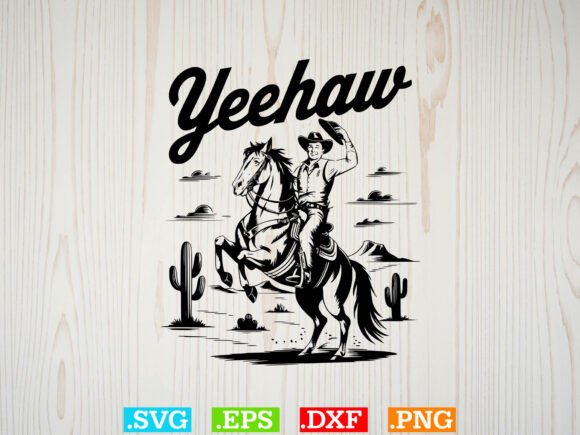
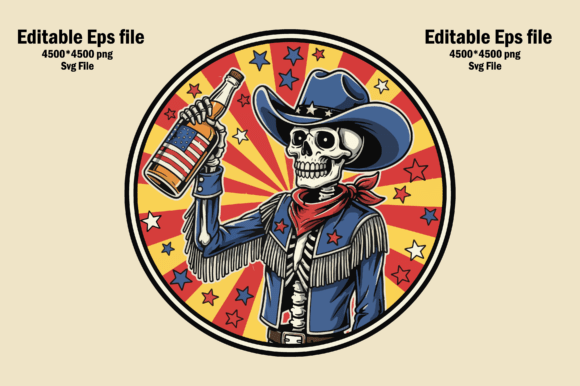
When you first load Rodeo, Cowboy into your digitizing or embroidery software, the immediate takeaway is its bold, rustic character. The theme is unmistakable, leaning heavily into western aesthetics without relying on cluttered details that might confuse the needle. For a T-Shirt Designs category, this graphic strikes a balance between playful and authentic.
The layout feels spacious enough to allow for proper stitch coverage, which is critical for durability. In my experience, designs that are too cramped often result in poor definition, especially on fabric texture like cotton blends or denim. Rodeo, Cowboy seems designed with clear negative space in mind, suggesting that it will hold up well even after multiple wash cycles—a key factor for customer satisfaction in the small shop product market.
Real-World Application: The Custom Sweatshirt Test
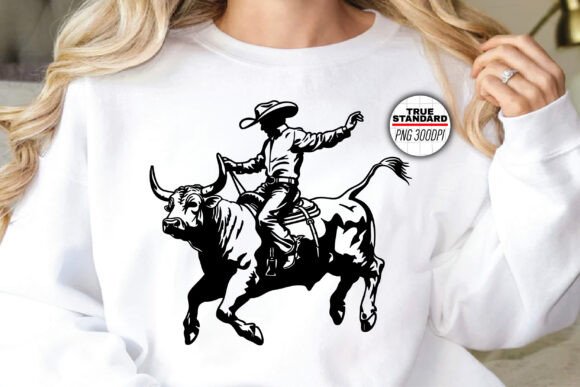
To see how this design truly functions, I imagined placing it on a common bestseller: a unisex crewneck sweatshirt. This is a staple for any custom apparel line, particularly around holiday seasons or for themed events. When visualizing the placement on the chest, the design’s proportions feel natural. It does not overwhelm the garment, nor does it get lost against the bulk of the fabric.
I also considered using this for a tote bag design. Canvas totes are a popular vehicle for embroidered patch-style graphics. Because Rodeo, Cowboy likely utilizes strong outlines and solid fills, it would translate beautifully onto sturdy canvas. However, if you plan to use this on thinner fabrics, such as a lightweight apron or a delicate baby onesie, you must be cautious. Thin fabrics can pucker under dense stitching, so testing on scrap material is non-negotiable.
Stitch Density and Clarity
One of the most important aspects of any digital embroidery file is stitch density. If the density is too high, the fabric becomes stiff and uncomfortable. If it is too low, the base fabric shows through, ruining the professional look. While the exact stitch count is not provided in the product listing, the visual weight of Rodeo, Cowboy suggests a moderate density that should work well on medium-weight fabrics like jersey knit or fleece.
For those utilizing an applique design technique, this graphic offers distinct shapes that could be cut from contrasting fabric and stitched down. This adds a premium tactile element that customers love. Alternatively, if used as a standard satin and fill stitch design, the edges should appear crisp. I recommend checking the corner details closely in your software to ensure there are no overly small elements that might break the needle or fray easily.
Where to Use It (And Where to Pause)
Rodeo, Cowboy is versatile, but it has specific sweet spots where it shines brightest:
- Holiday Gifts: The western theme fits perfectly with fall and winter holidays, making it ideal for personalized gifts for family members who enjoy ranching or rodeo culture.
- Craft Fair Products: For creative entrepreneurs selling at markets, this design works well on caps, hats, and beanies. The curved surface of a cap requires careful hooping, so practice runs are essential.
- Boutique Branding: If you are building a brand identity that leans into rustic or outdoor themes, this graphic provides consistent visual appeal across various items, from kitchen towels to pillow covers.
However, there are areas where you should exercise caution. Avoid using this design on highly textured fabrics like heavy boucle wool, as the needle may struggle to penetrate evenly. Similarly, stretchy fabrics like spandex blends require a stabilizer that matches the stretch of the fabric to prevent distortion. If you are working on a baby embroidery project, ensure the design is scaled appropriately; oversized graphics can be uncomfortable for infants.
Practical Designer Notes for Success
Before you commit to producing a batch of commercial embroidery items, follow these steps to ensure quality:
- Test on Scrap Fabric: Always run a test stitch on the same type of fabric you intend to sell. This reveals issues with tension, puckering, or thread breaks early.
- Check Thread Color Contrast: The effectiveness of Rodeo, Cowboy depends heavily on your choice of thread colors. On dark fabric, light threads may require an underlay to pop. On light fabric, dark threads provide sharp contrast. Experiment with black and white mockups to visualize the final impact.
- Confirm Hoop Size: Ensure the design dimensions fit comfortably within your machine’s hoop size, leaving room for handling. A design that is too large for the hoop can lead to alignment issues.
- Inspect Small Details: Zoom in on the finest lines of the graphic. Are they too thin? Will they hold up to frequent washing? If the design includes tiny lettering or decorative accents, verify that they are thick enough to remain visible.
- Use Proper Stabilizer: The right stabilizer makes the difference between a professional finish and a sloppy one. For sweatshirt embroidery, a cut-away stabilizer is often recommended for durability.
Final Verdict on Value and Usability
From a handmade presentation standpoint, Rodeo, Cowboy delivers a strong visual punch that aligns with current trends in western-inspired fashion. It feels timeless rather than trendy, which means your finished products will remain relevant longer. For digital product sellers, offering this alongside the various editable formats allows buyers to customize it to their needs, increasing its perceived value.
It is crucial to remember that while the file formats listed (SVG, PNG, etc.) make the design accessible across many programs, the licensing terms determine how you can sell the final product. Always confirm whether you have commercial rights before listing your finished product on platforms like Etsy or your own website. Assuming the license permits it, this design is a solid addition to any embroidery project library.
In summary, Rodeo, Cowboy is a reliable, visually engaging design that bridges the gap between artistic expression and commercial viability. It rewards careful preparation and thoughtful execution. By paying attention to stitch density, fabric choice, and stabilizer selection, you can transform this digital graphic into a tangible, high-quality item that customers will cherish. Whether you are creating a single personalized gift or scaling up production for a craft business, this design offers the foundation for a successful, professional result.