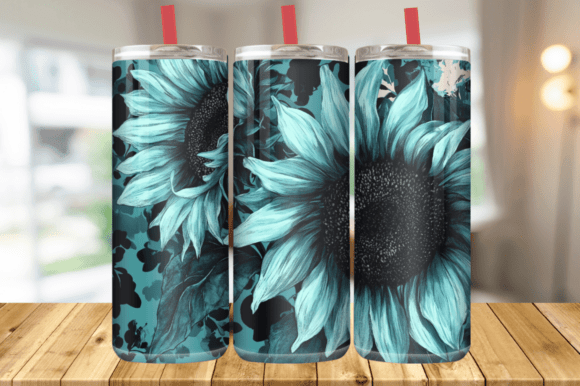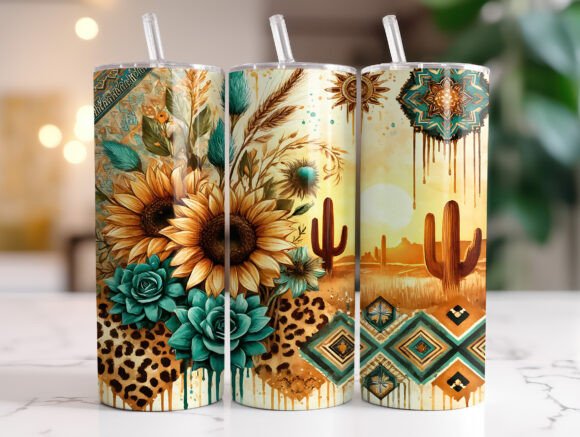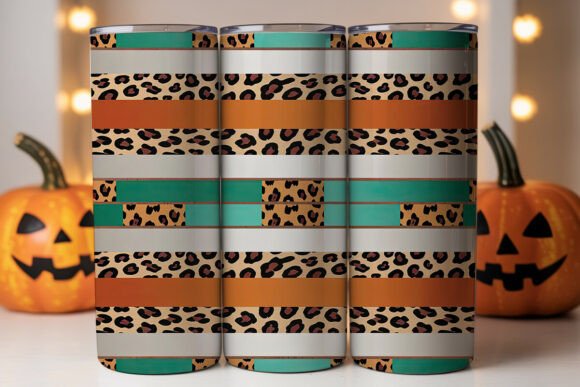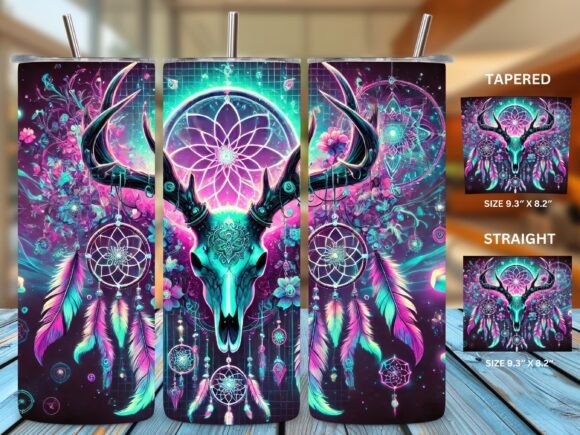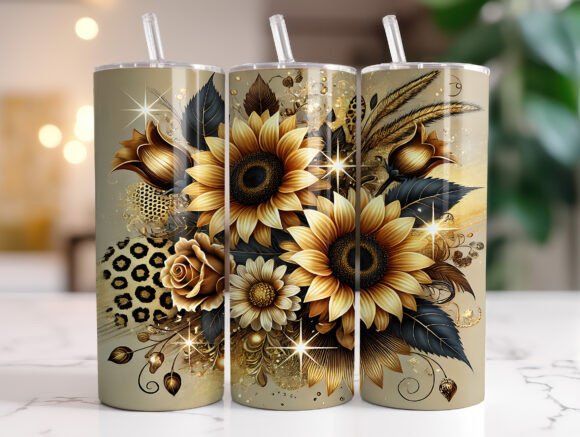
Western Sunflower Leopard Print Tumbler
As a designer who spends more time looking at stitch lines and fabric grain than scrolling through endless marketplaces, I have developed a pretty sharp eye for what actually works in real-world production versus what just looks good in a digital preview. When I first pulled up Western Sunflower Leopard Print Tumbler, my immediate reaction was less about the trendiness of the pattern and more about its structural viability as a machine embroidery design. It sits right at that intersection where bold graphic trends meet traditional craft aesthetics, creating a piece that feels both modern and grounded.
The visual personality of this design is distinct. You have the organic, warm energy of sunflowers colliding with the wild, textured confidence of leopard print. In the world of Tumbler Wraps and Graphics, this combination is risky but rewarding if executed correctly. The mood it creates is rustic-chic with a touch of edgy sophistication. It doesn’t scream for attention in a chaotic way; rather, it invites the viewer to look closer at how the two contrasting themes are balanced. For an Etsy seller or small shop product owner, this balance is crucial because it appeals to a broader demographic than a single-theme design would.
First Impressions and Visual Personality
When evaluating any embroidery file, the first thing I check is the layout and negative space. Western Sunflower Leopard Print Tumbler handles its composition well. The elements don’t feel cramped, which is a common pitfall when designers try to pack too much detail into a small area. The sunflowers provide a focal point of softness and color, while the leopard print acts as a dynamic background texture that adds depth without overwhelming the primary subject.
This design naturally belongs to projects that require a statement piece but still need to remain wearable or usable. It feels perfectly at home on a high-quality canvas tote bag, where the sturdy fabric can support the weight of the threads. It also translates beautifully to sweatshirt embroidery, particularly on neutral-colored garments like cream, olive green, or charcoal gray, where the colors of the design can pop without clashing. The visual appeal here is strong enough to drive customer trust; buyers want products that look professionally finished, and this design has the potential to deliver that polished look if stitched out properly.
Real-World Application: From Screen to Stitch
I recently considered using a similar aesthetic for a custom order involving personalized gifts for a client’s boutique brand. The goal was to create a line of handmade products that felt cohesive yet varied. While Western Sunflower Leopard Print Tumbler is technically categorized under tumbler wraps, its versatility extends far beyond drinkware. Imagine this design embroidered onto a kitchen towel or a pillow cover. The contrast between the floral and animal print elements adds a layer of interest that makes the finished product feel curated and thoughtful.
In terms of commercial embroidery, this design offers excellent value. It bridges the gap between seasonal trends and evergreen styles. Sunflowers are a perennial favorite in spring and summer, while leopard print remains a staple in fashion year-round. By combining them, you create a digital embroidery file that has a longer shelf life in your inventory. For craft business owners, this means fewer dead-stock items and more consistent engagement from customers who appreciate unique, mixed-media aesthetics.
However, the true test of any design is how it performs on different materials. On a smooth cotton canvas, the details will likely render sharply. But on a textured fabric, such as a heavy denim or a nubby wool blend, the finer details of the leopard spots might get lost. This is where the importance of choosing the right fabric cannot be overstated. A tote bag design made from premium canvas will showcase the intricacies of the stitch density far better than a cheap, thin polyester blend.
Where Caution Is Required
No design is perfect for every scenario, and being honest about limitations is part of professional design judgment. There are specific situations where Western Sunflower Leopard Print Tumbler requires careful handling:
- Small Hoop Sizes: If you are attempting to digitize or resize this significantly smaller, you risk losing the integrity of the flower centers and the definition of the print. Always check the minimum recommended hoop size before committing to a small project.
- Textured and Stretchy Fabrics: As mentioned, thick textures can obscure detail. Furthermore, stretchy fabrics like jersey knits can distort the shape of the design during stitching unless proper stabilizers are used. This design relies on clean lines, so distortion will be immediately visible.
- Dense Stitch Areas: Leopard print often involves dense fill stitches. If the underlying fabric is thin, this can lead to puckering. Ensure you use a cut-away stabilizer for stability, especially on garments that will undergo frequent washing.
- Curved Surfaces: While this could work on a cap, the curvature of a baseball hat might warp the circular nature of the sunflowers. Test on scrap material first to see how the tension holds up on a curved plane.
Practical Designer Notes for Execution
To get the most out of this design, there are several technical steps every embroiderer should take. First and foremost, always test the design on scrap fabric that matches your final project material. This allows you to assess the thread colors and ensure they complement each other as intended. Sometimes, digital screens can alter the perception of color contrast.
Inspecting the small details is critical. Look closely at the transition points between the sunflower petals and the leopard print background. Are the stitches aligned? Is there any unnecessary overlap that could cause thread breaks? Reviewing the stitch density helps determine if the design will run smoothly on your machine or if it needs adjustment to prevent jamming.
Another pro tip is to view the design in black and white. This helps you evaluate the contrast and visual hierarchy without the distraction of color. If the design loses its impact in grayscale, it may lack sufficient tonal variation, which can make it look flat once stitched. Additionally, consider how the design interacts with light and dark backgrounds. A bright yellow sunflower might vanish against a white shirt, whereas it would shine on a navy blue one.
Finally, confirm whether the design works for both personal and commercial projects. Licensing terms vary widely, and assuming you can sell every item you make can lead to legal issues. Ensure you have the rights to produce and sell custom apparel featuring this design. If you are a digital product seller offering mockups, verify that you are permitted to distribute the digital assets themselves.
Final Verdict on Design Value
Western Sunflower Leopard Print Tumbler is a strong contender for designers looking to add a versatile, visually engaging piece to their repertoire. Its ability to blend two popular motifs creates a unique identity that stands out in a crowded market. For apparel decorators and creative entrepreneurs, it offers a pathway to create higher-value personalized gifts and boutique branding items.
The key to success lies in execution. By paying attention to fabric choice, stabilizer usage, and thread selection, you can transform this digital asset into a stunning physical reality. It is not just a graphic; it is a foundation for building a recognizable, professional brand presence. Whether you are making a single embroidered patch for yourself or producing a batch of kitchen towels for a holiday gift shop, this design provides the visual anchor needed to captivate your audience. Just remember to respect the technical constraints, test thoroughly, and let the quality of your craftsmanship speak for itself.